Your Pet Is Not "Just an Animal": How Animal Communication Healing Works and Why It Matters
Animal communication healing offers a way to better understand your pet’s emotions, behaviour, needs, and experiences through intuitive connection. This blog explores how it works, when it can help, and why it can strengthen the bond between pets and their human companions, while emphasizing that it complements, never replaces, veterinary care.
Coach Jasdeepti Singh
August 21, 2026 • 6 min read
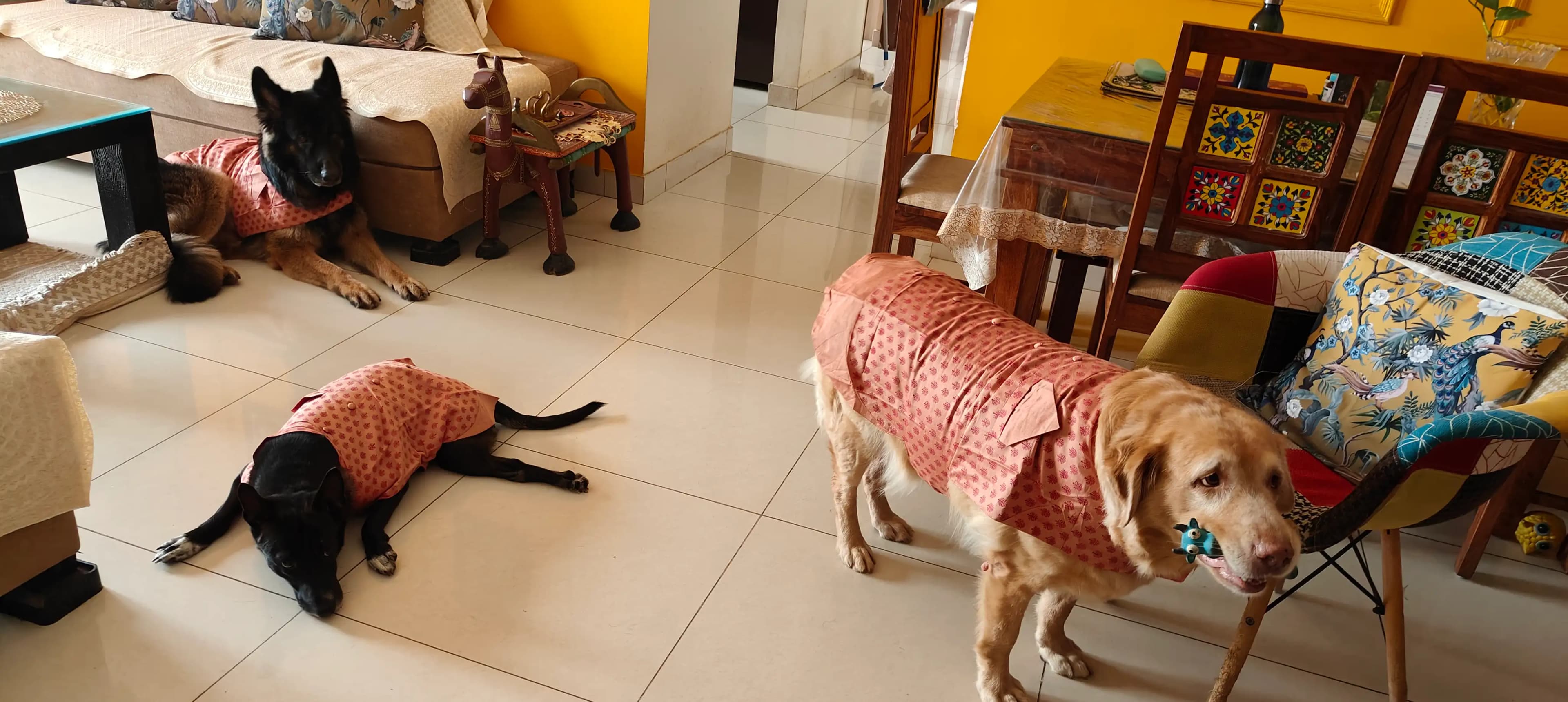
I share my life with my three furry boys/my adorable dogs—Max, Leo, and Tingu. And if there's one thing they've taught me, more than any book or training ever did, it's this: animals are not simple. They are not blank, instinct-driven creatures reacting to stimuli. They feel deeply, love unconditionally, remember clearly, and communicate constantly, just not always in the ways we're trained to notice.
"It's just an animal" is a phrase I hear sometimes, usually from someone trying to talk themselves out of a worry they already feel. And I understand the impulse. But in my experience, it rarely holds up once you actually pay attention.
What animals are actually carrying
Every pet owner has had the moment. Your dog suddenly won't eat. Your cat starts hiding for no obvious reason. A generally calm animal becomes anxious, clingy, or withdrawn, and there's no clear medical explanation.
These shifts are not random. Animals experience grief, anxiety, confusion, and attachment as fully as we do; they simply don't have language to explain it. However, they are quick to catch the emotions of their pet parent . A change in the household, a move, a new pet or family member, the loss of a companion, illness, or even tension between the humans in the home—animals absorb all of it. What we call "behavioral issues" is often just an animal's best attempt to express something it has no other way of saying.
The trouble is, we're used to listening for words. When there are none, we tend to assume there's nothing to hear.
What animal communication actually is
Animal communication is not a party trick, and it isn't about predicting what your pet will do next. It's a practice of tuning in, through intuition and energy, to what an animal is feeling, needing, or trying to express. Think of it less as mind-reading and more as a very attentive, very quiet form of listening.
Sessions typically work from a clear photo of your pet, along with a description of what you've been noticing. Distance is never a barrier. Your pet doesn't need to be present in the room or even in the same city. What matters is the connection, not the geography.
It's worth being clear about what this is not. It's not a replacement for veterinary care. If your pet is unwell, a vet should always be your first call. Animal communication works alongside that care, addressing the emotional and energetic layer that medicine alone doesn't always reach.
Why it matters more than people expect
The value of this work isn't just in solving a specific behavioral puzzle, though it often does that too. It's in what it does for the relationship itself.
There's a particular kind of relief that comes from finally understanding what your pet has been experiencing or even sensing about the energy around the pet parent /family etc . Owners often describe it as realizing their pet wasn't being "difficult" or "stubborn" but was communicating distress, fear, or confusion the whole time, and nobody had been equipped to hear it.
This matters most in moments that are already emotionally heavy. An animal nearing the end of their life. A pet grieving the loss of a companion, human or animal. A rescue animal carrying the residue of a difficult past. In these moments, animal communication can offer something medicine can't: a sense of closure and the comfort of knowing your pet felt seen.
A session, in practice
A typical session runs between 30 and 40 minutes. You share a clear photo and a few details about what's been happening. From there, the work is intuitive and quiet, tuning into your pet's emotional state and whatever they may be trying to express, whether that's about their health, their environment, a relationship in the household, or simply how they're feeling in general.
Many owners come away with a completely different understanding of a behaviour that had puzzled them for months, sometimes years. Others simply come away with peace of mind, knowing they did everything they could to understand their companion fully.
Your pet has been trying to tell you something
If your pet's behaviour has shifted and you can't explain why, if you're navigating illness, ageing, or grief, or if you simply want to know them a little more deeply, that instinct to understand is worth honouring.
Your pet isn't just an animal. They are a full participant in your life, feeling more than they can say, and animal communication is simply a way of finally listening properly.
Book a session with Mindfuel
About the author: Coach Jasdeepti Singh is the founder of Mindfuel Healings and Therapy, trained in animal communication under Ms Sonia Shah, an animal whisperer and crystal healer based in Mumbai. She shares her life with three dogs, Max, Leo, and Tingu, whose companionship shaped her deep connection to this work.
Frequently Asked Questions
-
Does my pet need to be present for an animal communication session?
-
No. Sessions work remotely from a clear photo and a description of what you've been noticing. Distance is never a barrier to the connection.
-
Can animal communication replace a vet visit?
-
No. It works alongside veterinary care, addressing the emotional and energetic layer of your pet's experience, but it is never a substitute for medical treatment.
-
What kinds of issues can animal communication help with?
-
Common reasons include sudden behavioural changes, anxiety or excessive hiding, adjustment to a move or new family member, grief over a lost companion, and support during illness, ageing, or end-of-life care.
-
Is animal communication only for dogs and cats?
-
No, it can work with any animal companion in your life, though dogs and cats are the most common.
-
How do I know if my pet needs this kind of support?
-
If your pet's behaviour has changed without explanation, if they seem anxious or withdrawn, or if you simply feel there's more to understand about what they're experiencing, that's reason enough to explore a session.